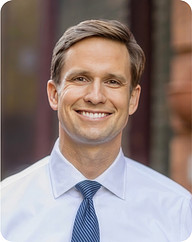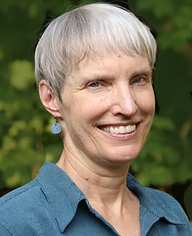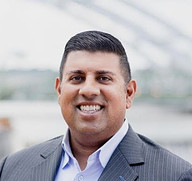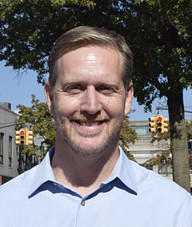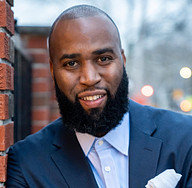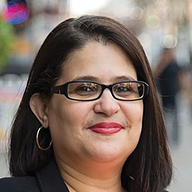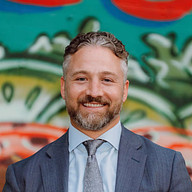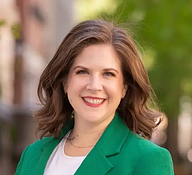
Abundance NY

GET UPDATES

FAQ

NEW YORK CITY 2026 Voter Guide
NYC Voter Guide 2025
For too long, New York has operated in scarcity mode. Our processes and politics make it difficult, slow, and expensive to build what New Yorkers need—driving up rents, slowing commutes, straining the grid, and weakening basic service delivery.

We believe the antidote is an abundance agenda: a set of policies that make it easier, faster, and cheaper to build. Elected officials who embrace this agenda have the power to make New York more affordable, more welcoming, and more livable.

On June 23, New Yorkers will vote in primary elections to choose party nominees for state and federal offices across New York. The officials we elect will shape whether the state builds its way out of this crisis or stays stuck in it. But turnout is low, and high-quality information is hard to come by.

This Voter Guide highlights a set of competitive, high-stakes races. It is meant to empower readers to make informed decisions and recommends the candidates most likely to move New York forward.
District map

Congress

Congress is critical for an abundance agenda. For better or (recently) for worse, much of what state and local governments do is downstream of federal policy. In housing, the billions of dollars that the federal government sends to state and local governments could be, but is not, tied to those state and local governments making it easier to build housing through zoning and land use changes. Congress is currently working on a major housing bill that could make major improvements (and introduce new obstacles), illustrating how important it is to have the right people in office. For public transit, Congress could require communities receiving funding to build new transit projects, or even maintain existing systems, to allow people to live near those systems and they could be setting construction and procurement standards that push down costs. For clean energy and climate resilience, Congress is immensely important for providing the funding necessary to move markets, but we also need to understand that funding is not enough. For example, permitting regulations would have stymied up to one-third of the projected emissions reductions from the Inflation Reduction Act, the Biden Administration bill to fund climate programs, even if Trump and Republicans in Congress had not repealed it. Congress could have (and tried) to reform those permitting rules to ensure that climate funding had a bigger impact.

Given the importance of Congress, we are interested in candidates who have plans, experience, and the political will to creatively pull the levers of federal power to make it easier, cheaper, and faster to build housing, public transit and pedestrian infrastructure, clean energy and resilience infrastructure, and to improve government capacity.

This year, voters in New York City’s congressional races are assessing candidates against a range of topics, not all of which are our focus. Immigration, including the violent conduct of federal Immigration and Customs Enforcement agents, and foreign policy, including U.S. military operations in Iran and Venezuela and U.S. support for Israel, are both high priorities for many voters, but not directly tied to our focus on making it easier, faster, and cheaper to improve the built environment in New York City. 

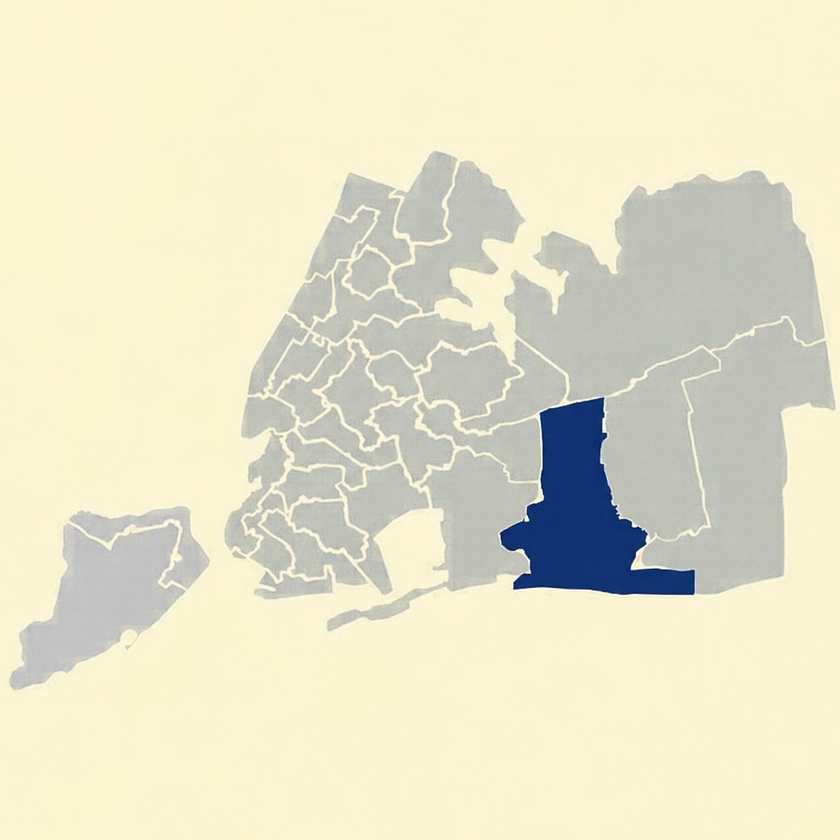
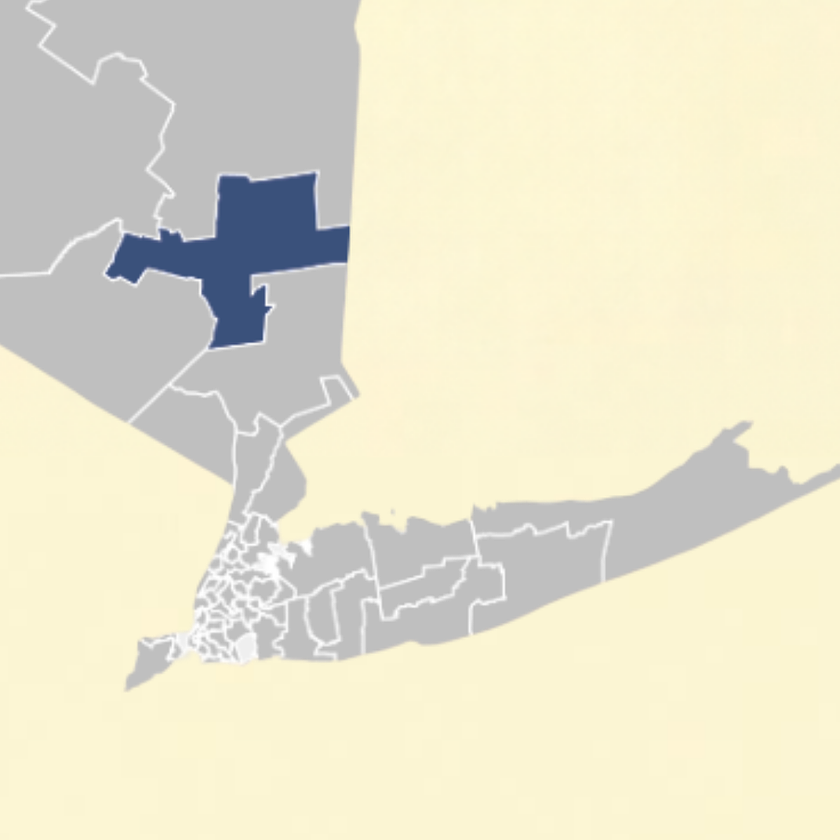
District map

New York's 7th Congressional District

Greenpoint, Williamsburg, Bushwick, Fort Greene, Clinton Hill, Downtown Brooklyn, Long Island City, Astoria, Ridgewood, Sunnyside, Maspeth, Woodhaven

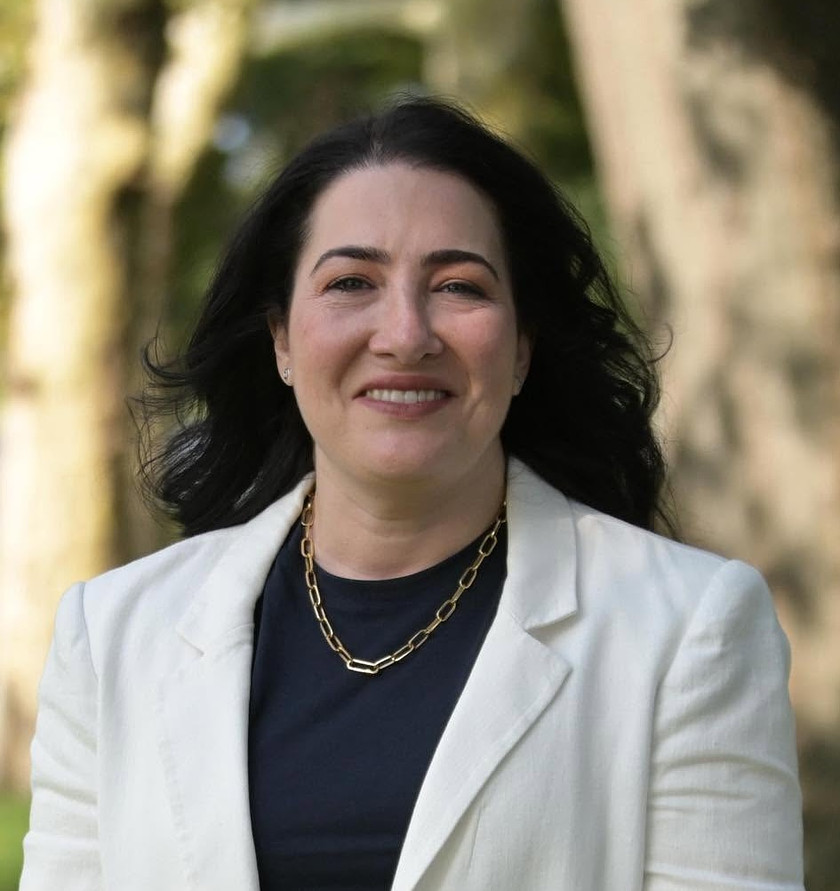
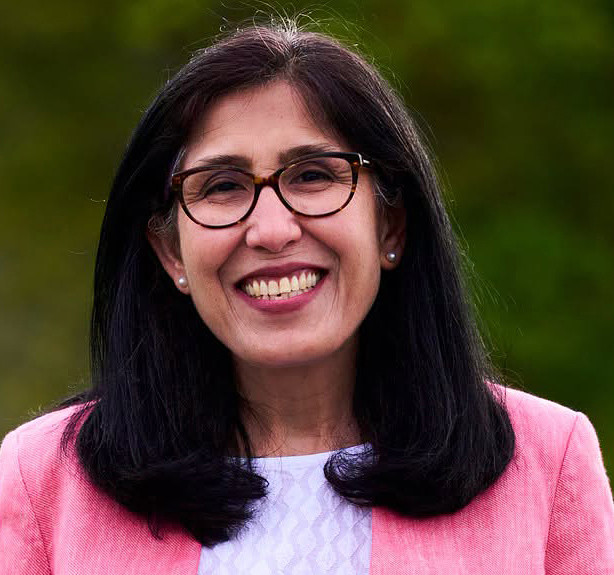
Antonio Reynoso
Our Choice

Antonio
Reynoso

Reynoso is a trusted leader for pro-supply housing policy

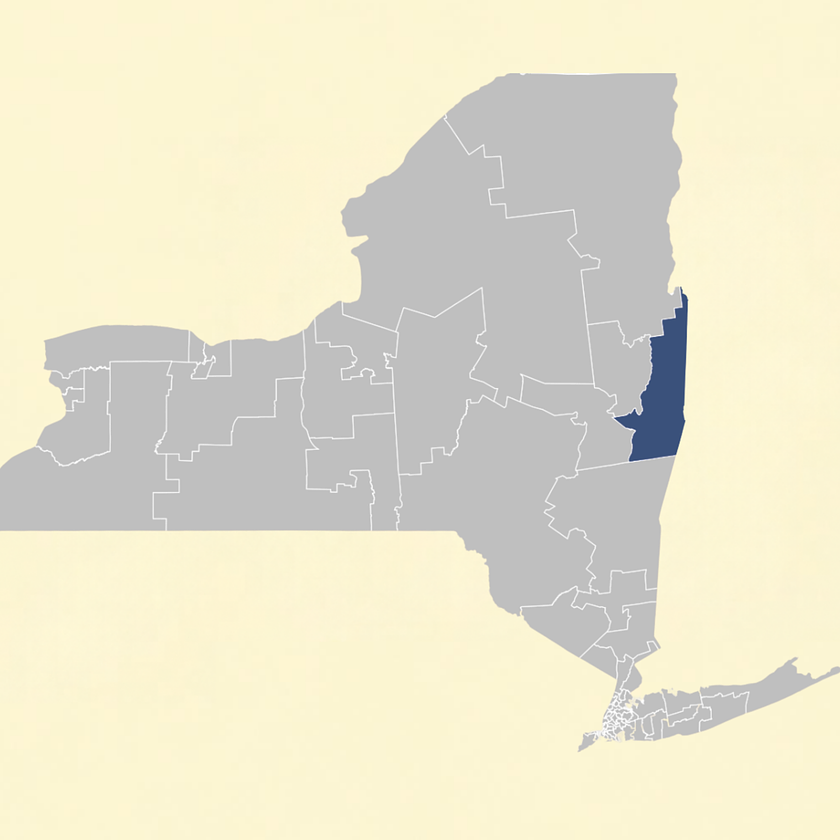
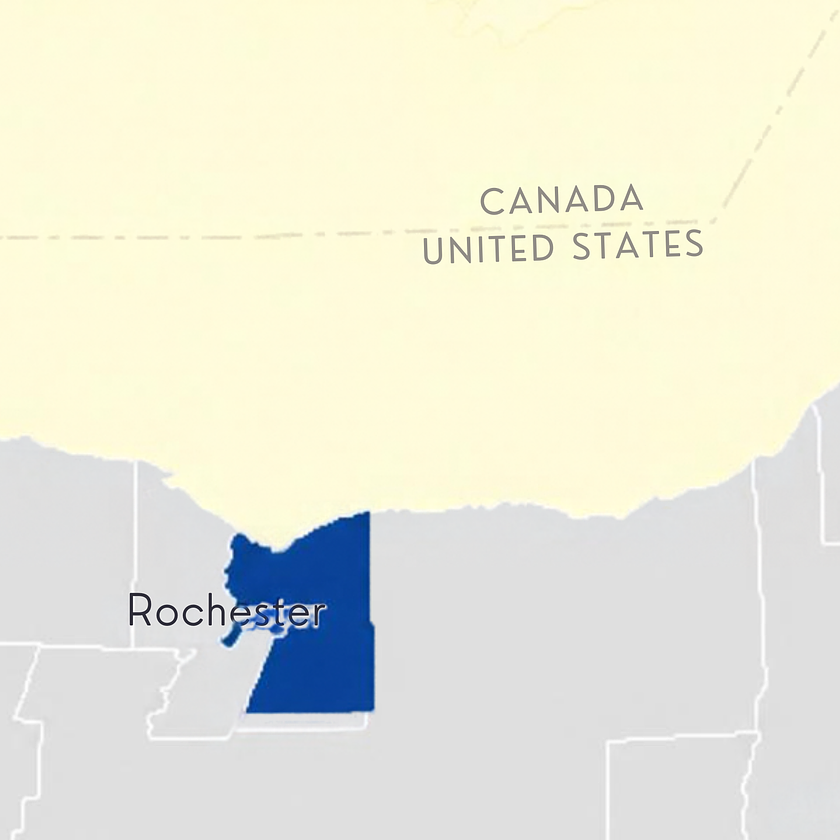
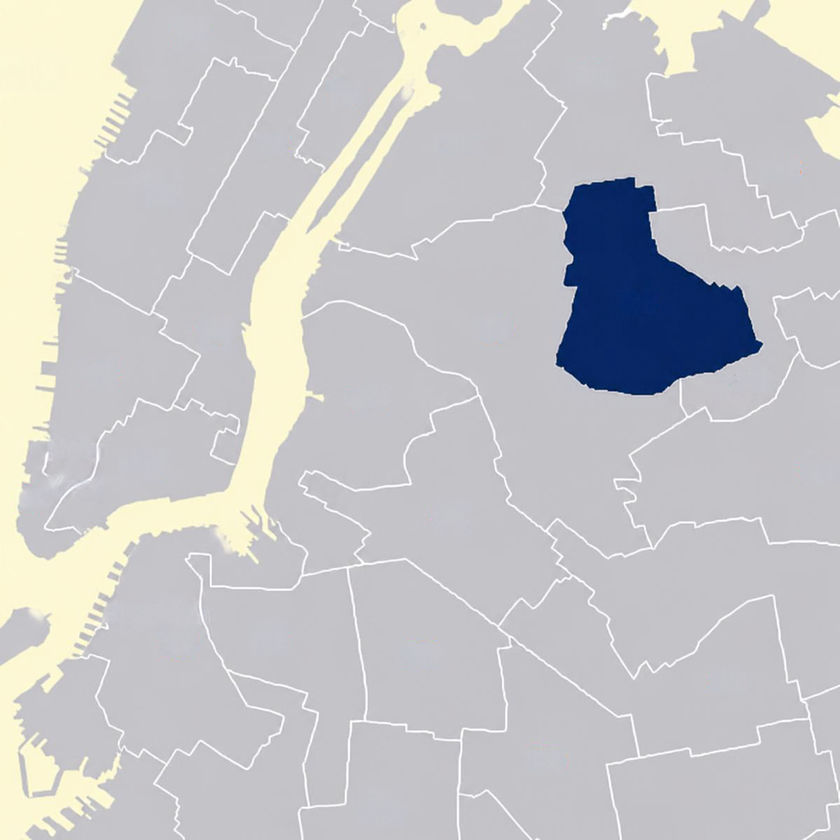
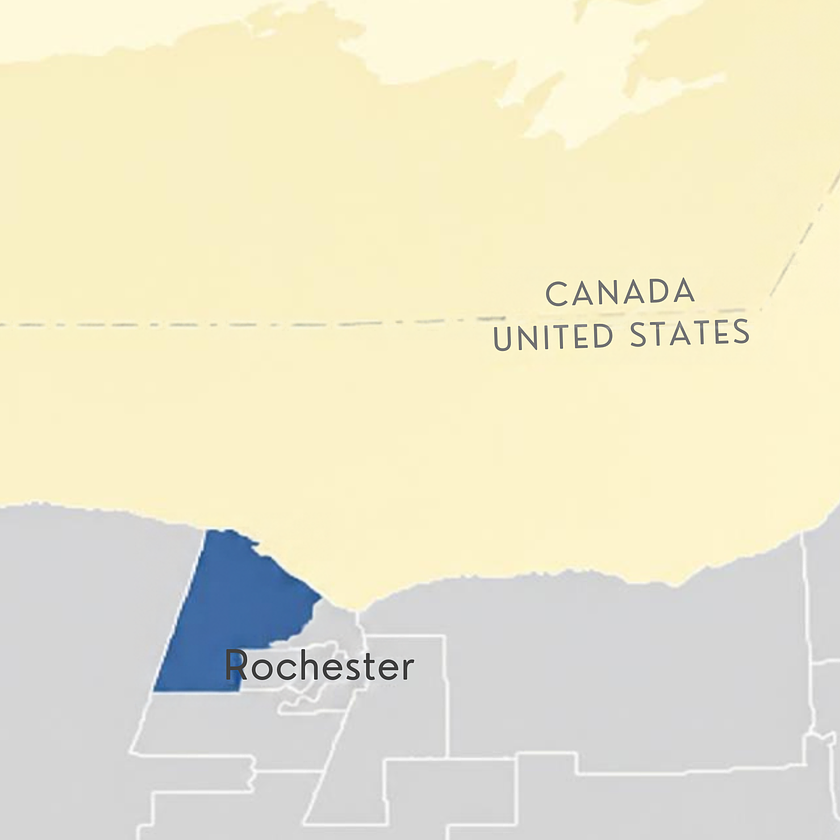
New York's 7th Congressional District includes western and central parts of Queens, and northern Brooklyn neighborhoods in Brooklyn from Greenpoint and Williamsburg to Fort Greene. It is a wide range of communities with divergent lifestyles, interests, and views on housing, transportation, and climate policy. After 33 years in Congress, Representative Nydia Velázquez is not seeking reelection, opening the seat to a new generation.

Antonio Reynoso has built a record as Brooklyn Borough President that is squarely aligned with our agenda. Reynoso brings political savvy to his support of pro-housing policies fight––arguing that wealthier, whiter neighborhoods need to build and making the case that the pro-supply coalition only holds if the new building is spread citywide. He championed City of Yes and pushed the Adams administration to go further. Most recently, he described his housing policy to the New York Editorial Board as, “building so much housing that landlords start fighting for tenants, not what we see now, where it’s tenants fighting for an apartment.” Reynoso was also a consistent defender of congestion pricing. We acknowledge Reynoso's record has not always supported our agenda, but we have decided to take his evolution at face value and to commit to holding him to his word. 

Claire Valdez brings a combination of exciting policy ideas and missed opportunities. Her transportation platform is the most comprehensive of any candidate in this race. In her 2024 assembly campaign, she called for greater transparency around MTA construction costs. On housing, Valdez’s support of the HOMES Act is an acknowledgement that more supply is needed, but her attacks on private developers are harder to reconcile. It is not clear to us why more social housing authorities are needed (there are multiple authorities in the state that could do “social housing” style projects, which we would welcome). Further, even if the HOMES Act passed tomorrow, the private market would still build more of the district’s housing than a single agency. Compare this to Mayor Mamdani, who continues to support building more housing of all kinds in the city. 

Julie Won's four years on the Council include a massive housing accomplishment: the OneLIC Neighborhood Plan, which can be measured in the tens of thousands of units and billions of dollars for infrastructure. But her opposition to the Sunnyside Yards revival, which would be among the largest affordable housing projects in New York City history and convert underused land, undermines that record. Won says she does not oppose the project in principle, but wants it to be efficient and feasible, but the press quotes her more negatively. In fairness, Mayor Mamdani has not produced a detailed proposal for the project since his photo op with President Trump, which is especially perplexing because the congressional delegation would play a huge role in securing $21 billion in federal funding. In the end, we see Reynoso as having the more feasible path to victory. We look forward to working with Won in the Council on other shared priorities. 

Candidate Questionnaires
District map

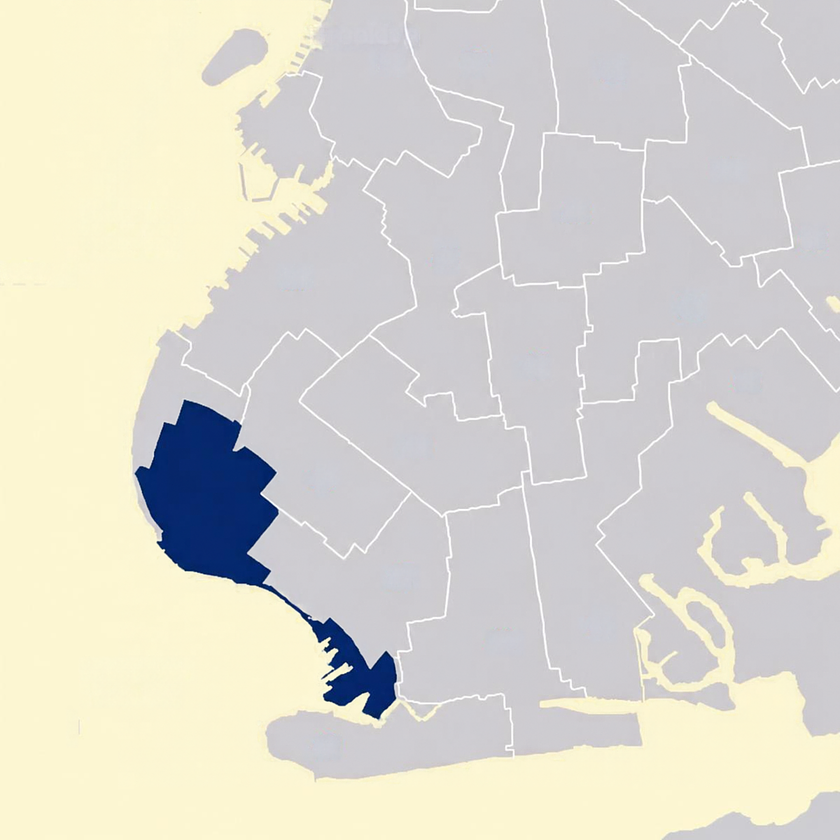
New York's 10th Congressional District

Financial District, East Village, SoHo, NoHo, Lower East Side, Chinatown, Tribeca, Greenwich Village, Downtown Brooklyn, Brooklyn Heights, DUMBO, Park Slope, Gowanus, Red Hook, Cobble Hill, Carroll Gardens, Sunset Park, Borough Park

Brad Lander
Our Choice

Brad
Lander

Lander has led pro-supply housing policies, new transit funding and building, and clean energy development for decades and has deep roots in the district

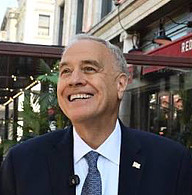
New York's 10th Congressional District covers lower Manhattan south of 14th Street and a wide swath of western Brooklyn from Brooklyn Heights to Sunset Park. This is the only congressional race we are covering where the incumbent is being challenged. After falling short in his mayoral run, former City Comptroller and long time City Councilman Brad Lander is challenging the incumbent, but relative newcomer to the district, Dan Goldman. Both candidates share a favorable orientation on built environment issues that we prioritize. While many may see a race where an incumbent is challenged as an up or down referendum on the incumbent’s performance, we choose instead to look at this race as an opportunity to simply choose the better champion for the built environment. 

Goldman has represented the district since January 2023, winning the 2022 primary on the strength of his role as lead counsel in Trump's first impeachment inquiry. He has notable accomplishments in his four years in Congress, including supporting public housing and resilience infrastructure and defending the Empire Wind project from Trump’s attacks. In the district, we appreciate his leadership of the Brooklyn Marine Terminal Project, which in its current form would add significant housing to the site and expand port capacity. He helped secure a $164 million MEGA grant for the project and co-led a task force of local leaders. However, we wish Goldman had a stronger record in Congress of leading or supporting creative uses of federal authority to make it easier to build housing or transit. These bills exist and there is a cadre of members of Congress who lead them, but Goldman is not one of them––his record is limited to support for wind energy. He was also hesitant and less specific in his questionnaire, interview, and abundance candidate forum.

Lander served as city council member for the Brooklyn parts of the district for three terms and as citywide comptroller one term before running for mayor. He has a long track record on built environment issues. He led the Gowanus neighborhood rezoning, which legalized 8,000 new units and secured infrastructure investment and funding for NYCHA projects. He also supported City of Yes, and sued to implement congestion pricing in 2024. Lander also has a strong record on pedestrian and cyclist safety, backing the Prospect Park West bike lane and redesigning 9th Street in Brooklyn. As comptroller, he was a consistent ally for capital construction, housing supply, and property tax reform, none of which were particularly popular at the time. The reports his office produced were a valuable resource for our own policy agenda. Lander’s mayoral platform similarly earned our praise (and other Abundance-related support) and he has mostly stuck to those ideas in this race. 

While we admire his achievements, we have concerns about Lander’s record and some of his current stances. During his tenure in the council, he opposed some rezonings that would have contributed housing (though this stance was no worse and often better than many of his peers). More recently, in the candidate forum we hosted, Lander said that he supported a ban on investor-owned “build-to-rent” housing in the Road to Housing bill. One estimate says a ban on these homes could prevent as many as 80,000 units a year from coming on the market, the same number that all of City of Yes legalized, making Lander’s stance deeply misguided. Further, we are dismayed at his demand that Brooklyn Marine Terminal development be delayed; this is a NIMBY stance that seems cynically targeted at Goldman’s leadership on the issue. 

Goldman’s background would be a genuine asset for a Democratic House majority’s oversight and accountability work. Lander's record on housing production, transit, and the local land-use machinery in this district is deeper, and we think that depth matters more. Despite our concerns, we think Lander would prioritize the built environment issues that we champion more strongly. 
Candidate Questionnaires
District map

New York's 12th Congressional District

Upper West Side, Upper East Side, Midtown, Midtown East, Midtown West, Murray Hill, Kips Bay, Gramercy, Flatiron, Stuyvesant Town, Chelsea, Roosevelt Island

Alex Bores and Micah Lasher
Our Choice

Alex
Bores
and
Micah
Lasher

This race is too close for us to call — vote Bores or Lasher to elect an abundance champion

New York's 12th Congressional District covers the heart of Manhattan where 68% of occupied housing units are rented, most workers commute by public transit, 81% of residents hold a bachelor's degree or higher—double the national rate, and the district's median household income is the highest in any NYC congressional district. After 34 years in office, Jerry Nadler is retiring. Out of a crowded field, two sitting Assemblymembers—Alex Bores, representing the Upper East Side and Midtown East, and Micah Lasher, representing the Upper West Side—have each led on critical housing, transit, clean energy, and government capacity issues. We called this race “an embarrassment of riches” as both Lasher and Bores are strongly abundance-aligned. We tried to differentiate them on our issues, but could not do so fairly. 

We are excited to endorse Lasher and Bores on their own merits, but also because either would be so much better than the alternatives. Jack Schlossberg is woefully underqualified and has crossed the line from ambition and optimism to selling snake oil to voters, most disappointingly in rallying NYCHA residents against a much-needed redevelopment plan. 

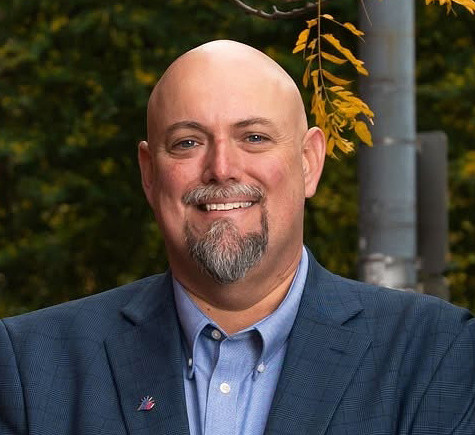
Bores grew up in the district and has served in the assembly since 2023. His work as a computer scientist (and for Palantir) has been a focus of this race. We do not see anything disqualifying in that experience; instead, Bores has put his background to work for the public. He authored New York's major AI safety act, which requires the largest artificial intelligence developers to maintain safety protocols and report critical incidents. It is one of the only laws passed nationally to regulate the AI industry at all and for his efforts, Bores is the target of millions of dollars in attack ads from major technology companies. Bores has also sponsored land value tax reform legislation—an innovative approach that removes the incentive to hold vacant parcels in a housing market under pressure. Bores has also worked throughout his time in Albany on agile procurement legislation, shared public services, and civil service modernization. He comes to policy questions with fresh eyes and does his homework to reach for new answers rather than falling back on received wisdom. We think that approach will serve Congress well.

Lasher has a long record of distinguished public service. Before his election to the Assembly last year, he served as Governor Hochul's policy director, chief of staff to former Attorney General Eric Schneiderman, on former Mayor Michael Bloomberg’s intergovernmental team, and as an aide to Nadler. In the Governor’s office, he helped craft the New York Housing Compact, a desperately needed measure that would have dramatically aided the state’s housing crisis, but ultimately failed in the legislature. In the Assembly, he passed legislation to consistently tax clean energy projects, which prevents localities from taxing renewable development out of viability, and co-sponsored SEQRA reform and transit-oriented development legislation. We were impressed by Lasher’s fluency in the wide range of federal levers that would make an impact on our issues. Lasher has also repeatedly told difficult truths in this race when many of his opponents, except Bores, engage in wishful thinking, including regarding a controversial NYCHA project and, separately, the likelihood of the Senate voting to impeach Trump. 

Both Bores and Lasher would be much better in Congress than any of their opponents. We cannot recommend one over the other at this time, but we may revisit as the race continues.
District map

State Comptroller

The New York State Comptroller is one of the least understood offices in state government—and one of the most powerful, especially for anyone who cares about whether New York can build housing, move people, clean its grid, and spend public money well. The Comptroller serves as sole trustee of the New York State Common Retirement Fund, nearly $300 billion in retirement savings belonging to over one million current and former public employees: teachers, transit workers, firefighters, civil servants. Stewarding those savings responsibly is the core of the job, but creative deployment of pension capital, within fiduciary limits, can also advance housing production and infrastructure deployment. 

The Comptroller's audit authority is a second powerful tool: used ambitiously, it can expose wasteful outside contracting, document the real costs of slow government delivery, and make the case in dollars for doing things differently. And as one of a handful of statewide elected officials, the Comptroller carries political weight that can be used to argue for a higher-risk, higher-reward posture in government and to make the fiscal case for growth itself, since a shrinking New York means fewer federal dollars, a narrower tax base, and compounding costs that fall on everyone. We looked for candidates with the plans, experience, and ambition to use all of those levers in ways that aligned with our vision for New York. 
District map

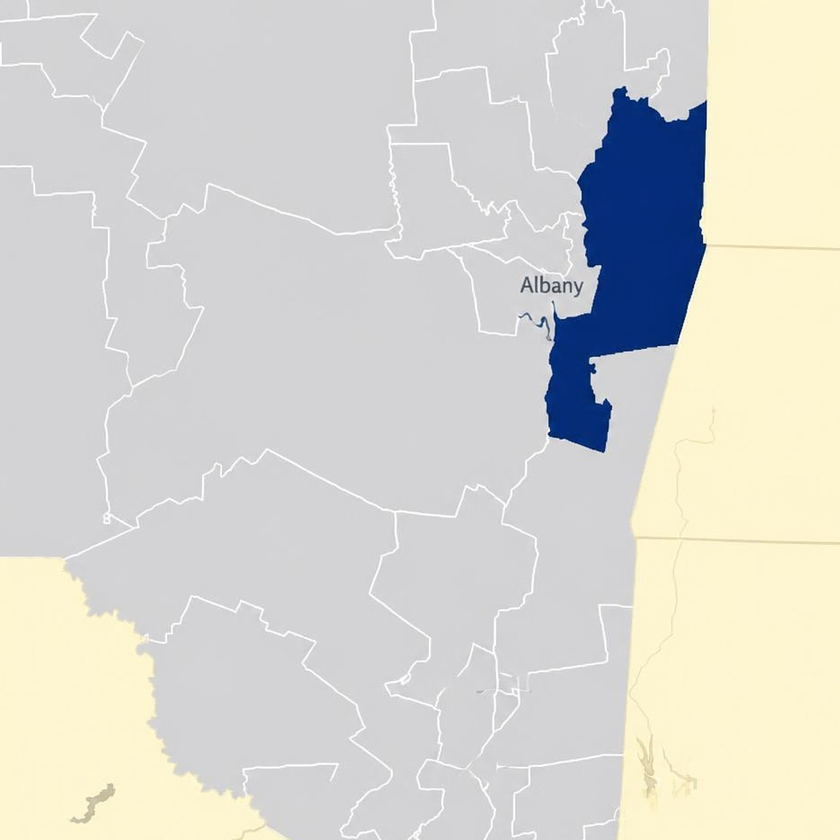
New York State Comptroller

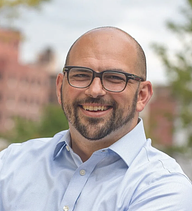
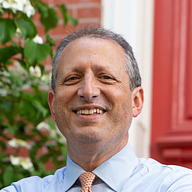
Drew Warshaw
Our Choice

Drew
Warshaw

It is time for a change in the comptroller’s office and Warshaw has the experience to elevate the role

The only statewide competitive primary this year is also the first for this position in nearly 20 years. Tom DiNapoli has held the seat since 2007, arriving after two decades representing a Nassau County assembly district. The state legislature appointed DiNapoli to the comptroller seat after his predecessor, Alan Hevesi, pled guilty to fraud. In all that time, he has not been challenged in a primary. Now, two challengers assert that they would do a better job investing the pension funds and leveraging the office’s audit control. Given his tenure in the job, much of this race has turned into a referendum on DiNapoli’s stewardship. We note up top that not many of the institutional actors are willing to rock the boat in this race; the unions, and many incumbents are backing DiNapoli. 

In managing the pension funds, we see mixed results in DiNapoli’s record. First, he oversaw additional “tiers” added to the pension system, reducing pension entitlements for state employees and state government obligations. Second, he reduced the assumed rate of return for pension investments from 8% to 5.9%, which reduces pressure on the pension system by accounting for lower possible returns. Combined, these reforms have moved the pension funds to a more financially prudent place than they were before his tenure; Texas and California, which also have huge state pension systems, have taken directionally similar, but less aggressive actions and New York’s pensions are funded at a higher level as a result. 

The major critique in this race has centered on DiNapoli’s asset allocation––New York relies on alternative investments (e.g., private equity, credit, real estate) more than some others, pays high fees to fund managers for the privilege of doing so, and often yields lower returns than it targets. DiNapoli’s opponents argue that they could do better by simply dropping more of the funds’ money into passive index funds, reducing the overall size of the alternative portfolio while creating space for limited, New York policy focused investments. 

On the audit side, DiNapoli has produced impactful reports and meaningful improvements. In 2010, he reported that nonprofits were negatively impacted by delays in payments when working on state contracts. Later, he introduced a website called Open Book New York that lets New Yorkers search how their tax dollars are being spent. He also has audited everything from the MTA’s procurement practices to how permitting delays are slowing down the state's progress toward its renewable energy targets. What has been missing is the follow through. DiNapoli simply has not spent his political capital to move his office’s findings into new policy. His deference to the MTA on construction costs is a glaring example. 

Drew Warshaw has spent his career working on our issues. He worked in the governor’s office before becoming chief of staff at the Port Authority of New York & New Jersey, a massive agency with a large capital budget, where he helped manage the rebuilding of the World Trade Center, which had been paralyzed in jurisdictional fights. He then led a solar energy business for roughly nine years before moving to an executive role and eventually co-CEO of Enterprise Community Partners, a national affordable housing developer and leader in community development policy. We value his professional experience, which includes nearly all aspects of our built environment focus.

Warshaw has put forward a $20 billion housing investment plan, which he says will not affect the office’s fiduciary responsibilities because he is confident that overall, the portfolio will still easily clear the 5.9% threshold (that DiNapoli wisely put in place). It is unlikely that the risk-adjusted returns from investing in housing, especially multifamily housing aimed at middle class or working class New Yorkers, will be as lucrative as other investments and we are skeptical of any comptroller getting too adventurous with retirees’ pensions, but we value the ambition of his vision. In our meeting with him, Warshaw also pitched using the comptroller’s audit authority to address building codes and other regulatory issues that are costing the state government, local governments, and New Yorkers money needlessly. These ideas are creative and we would like to see this energy in the office. 

Raj Goyle brings an eclectic background: former Kansas state legislator, congressional nominee, business owner, nonprofit leader, and co-chair of the 5BORO Institute. His successful push for New York's statewide school cellphone ban demonstrates an ability to change policy. He and Warshaw share the housing investment proposal, with differences in the details. Goyle also wants to audit the Public Service Commission in order to stop utility rate hikes. Goyle makes good points, but we are opting for the candidate with deeper experience in our priority issues. 


District map

State Legislature

Elections for the state legislature, along with the governor, are a primary arena for advancing an abundance agenda. Structurally, state legislatures are the right place for action. Legislators at this level can recognize the greater needs of the state and vote accordingly while also sympathizing with constituents who are uneasy about hyperlocal changes. The state-level political economy is thus more often favorable, and the most consequential wins nationwide have happened there. California legalized apartments near transit statewide in 2025. Montana passed a sweeping bipartisan zoning reform package in 2023—and doubled down in 2025. The amount of statewide reforms has grown in recent years––highlighting the importance of these races. 

The New York state legislature—63 senators and 150 Assembly members—writes the state budget, sets state law, and can override local law at any time. The climate law, congestion pricing, the MTA capital budget, Sammy’s Law, and the most recent budget agreement that reformed the state's environmental review process all had to pass through the legislature. But the New York state legislature has also been an obstacle to the supply reforms we need. In 2023, the legislature killed the Governor's housing compact, which would have required localities across the state to legalize more housing. Given what we know is possible at the state level, we can be doing more in New York with a more abundance-oriented legislature. 

All 93 of the roughly 28 Senate and 65 Assembly seats representing New York City districts are up for primary election on June 23, 2026. We focused our coverage on competitive Democratic primaries (a rarity in any particular cycle, given the power of incumbency) where there was strong differentiation between candidates on our issue set. We hope to expand that scope in future cycles.

District map

New York's 12th State Senate District

Astoria, Long Island City, Sunnyside, Woodside, Maspeth, Ridgewood

Steven Raga
Our Choice

Steven
Raga

Raga's proven record in Albany—and commitments to making it easier, cheaper, and faster to build—make him the clear choice in an open and closely watched seat

New York's 12th State Senate District covers a swath of western and central Queens. The current State Senator, Deputy Majority Leader Michael Gianaris, announced in February that he would not seek reelection after years as one of Albany's most powerful figures. His departure makes SD-12 one of the most closely watched state legislative primaries of the cycle. 

Our choice is Steven Raga, who has served in the New York State Assembly in District 30, which overlaps with Senate District 12, since 2022. He previously served on Queens Community Board 2 and was chief of staff to former AD-30 Assemblymember Brian Barnwell. In office, Raga has co-sponsored several abundance-related bills, from the Faith Based Affordable Housing Act to Universal Daylighting to Automated Curb Enforcement.

Aber Kawas initially ran for AD-34 before pivoting to SD-12 following Gianaris's announcement. The DSA candidate, she advocated for a higher minimum wage campaign, immigration reform, and efforts to counter police surveillance. She has not responded to our questionnaire, but in others, she has supported a social housing development authority and talked about New York not being able to build out of its housing crisis.

Raga’s experience in Albany, sponsorship of key abundance legislation, and support of our policy platform have earned him our recommendation. We are eager to see how he uses a larger platform in the Senate to advance the supply-side reforms, transit investment, renewable energy, and government delivery improvements this district and this state sorely need.
Candidate Questionnaires
District map

New York's 13th State Senate District

Jackson Heights, Corona, Elmhurst, East Elmhurst, Woodside

Jessica González-Rojas
Our Choice

Jessica
González-Rojas

González-Rojas's detailed climate platform, stronger campaign position, and engagement on our issues make her our recommendation over a creditable incumbent

New York's 13th State Senate District, a dense, diverse, immigrant-rich stretch of Queens, is represented by Jessica Ramos, who in 2018 defeated a 15-year incumbent who caucused with Republicans. After her controversial decision to endorse Andrew Cuomo in last year’s mayoral primary, she faces a primary challenge from Assemblymember Jessica González-Rojas, who represents overlapping AD-34. Ramos’s record on our issues is encouraging. She was an early supporter of congestion pricing and City of Yes; she favors dense transit-oriented development along the IBX corridor, which runs through her district, and opposes parking minimums. We applaud these stances. 

Jessica González-Rojas was first elected to the Assembly in 2020, defeating an incumbent in the primary. In this race she boasts an impressive endorsement coalition: the WFP, Brad Lander, Queens Borough President Donovan Richards, and Representative Alexandria Ocasio-Cortez. Her Seven-Point Climate Resilience Plan is the most detailed climate platform of any candidate we have researched this cycle, covering flood infrastructure, heat resilience, transit investment, green jobs, and interagency coordination. She responded to our questionnaire and agreed with our positions. 

Both candidates are broadly aligned on the issues we care about, and Ramos's record deserves credit. In the end, though, González-Rojas's engagement with our issues and strong positioning in the race lead us to recommend her in the primary.
Candidate Questionnaires
District map

New York's 27th State Senate District

Financial District, Battery Park City, Chinatown, Greenwich Village, Little Italy, Lower East Side, SoHo, NoHo, Tribeca, Two Bridges

Grace Lee
Our Choice

Grace
Lee

Lee is not our ideal candidate, but Niou is worse

New York's 27th State Senate District covers the heart of Lower Manhattan, and is an epicenter of abundance issues. It sits entirely within the congestion pricing zone, contains some of the largest office-to-residential conversion potential in the city, sits at the intersection of multiple subway, bus, PATH, and ferry lines, and has been the site of contentious housing and resilience battles in recent years. The seat is being vacated by Brian Kavanagh, the outgoing chair of the housing committee. 

This race is a rematch. Grace Lee and Yuh-Line Niou are the two most recent elected officials from AD-65, the assembly district that covers much of this terrain. Lee challenged Niou for the assembly district in the 2020 Democratic primary and lost. Lee then won the seat in 2022 after Niou vacated it to run for NY-10, narrowly losing that congressional race to Dan Goldman. 

In her limited time in the Assembly, Lee has a mixed record. We have not seen Lee sponsor important housing and streetscape bills that abundance-aligned peers have supported. While she supported congestion pricing, she pushed for a carveout that would have weakened the program. Still, she has sponsored some important climate-related bills, like the ASAP Act, that would accelerate solar energy production and she has secured funding for NYCHA

Yuh-Line Niou represented AD-65 from 2016 to 2022. In that time, she built a record of opposition to housing growth the district needs. She sued to stop the Elizabeth Street Garden affordable housing project, raised doubts about increasing density in SoHo and NoHo, took issue with efforts to make East River Park more resilient to flooding, and rallied against 421-a developments in Two Bridges

Neither candidate has made it easy for us to recommend them. One has a mixed record, the other has a record of opposing needed development, and neither responded to our questionnaire to clarify their positions. Kavanagh has endorsed Grace Lee, as have other housing-forward electeds, from Erik Bottcher to Keith Powers to Tony Simone. We trust them and recommend voting for Grace Lee in the primary.
District map

New York's 23rd Assembly District

Broad Channel, Howard Beach, Rockaways, Ozone Park

Mike Scala
Our Choice

Mike
Scala

Scala is a longtime advocate for an important new transit development in the district, QueensLink

Assembly District 23 covers one of the most transit-isolated stretches of New York City. The Rockaways and South Queens are coastal, flood-vulnerable, car-dependent communities. Incumbent Stacey Pheffer Amato, who opposed congestion pricing and showed little interest in the supply-side housing agenda, is not seeking reelection after a decade in the district. Two candidates are competing in the Democratic primary: Pesach Osina, the Queens County Democratic Party pick, and Mike Scala, an attorney and longtime civic advocate.

We recommend Mike Scala in this primary. As legal counsel for the QueensLink project, Scala has spent years advancing the most significant pro-transit infrastructure effort in this district, QueensLink. Beyond his support of this critical project, Scala agreed with the majority of our positions in his questionnaire and in an interview with our team. While Scala’s record and outlook are not fully aligned with our priorities (for example, he once tried to block a homeless shelter and told us he wouldn’t support parking restrictions), he is much better than the alternative in this case. 

Osina has held community affairs roles in the Assembly, the Comptroller's Office, and the Council Speaker's office. His platform focuses on “protecting community input”, “standing up to overdevelopment”, and lowering property taxes for single family homeowners, which are all policies that make the city less affordable and push people out.
Candidate Questionnaires
District map

New York's 32nd Assembly District

Jamaica, Rochdale, Locust Manor, St. Albans

Tunisia Morrison
Our Choice

Tunisia
Morrison

Morrison's experience at JFK redevelopment, her explicit transit priorities, and her campaign prowess have earned our recommendation

Assembly District 32 covers southeast Queens, including the transit-dense Jamaica adjacent to JFK airport. After 35 years, Assemblywoman Vivian Cook is not seeking reelection, opening the seat to a new generation. Three candidates in this race have the fundraising, endorsements, and organizational infrastructure to be taken seriously. Nathaniel Hezekiah III has the Queens County Democratic party behind him: he’s backed by Congressman Greg Meeks and by Cook herself. Latoya LeGrand has the Working Families Party endorsement and also worked for Cook. Tunisia Morrison has the endorsement of Borough President Donovan Richards, and has outraised the field.

We recommend Tunisia Morrison in this primary. Morrison served as chief of staff to Assemblymember Alicia Hyndman and worked at JFK's redevelopment. Morrison supports the transit-oriented development Jamaica Neighborhood Plan, building code reform, SEQRA reform, civil service reform, busway expansion, solar energy, and nuclear power. She is the only candidate in this race to explicitly name bus rapid transit and transit investment as top legislative priorities. 

Nathaniel Hezekiah III has spent two decades in service to this community, fighting to protect bus stops near schools during the Queens bus redesign, helping secure millions for affordable housing efforts at Greater Allen and Rochdale Village, and advocating for MWBE access in JFK redevelopment. However, his framing on housing supply consistently centers community input as a check on projects rather than a tool for improving them. 

Latoya LeGrand has compelling personal roots in public housing in the community. We do not see alignment with our policy priorities and she did not respond to our questionnaire.
Candidate Questionnaires
District map

New York's 66th Assembly District

Greenwich Village, West Village, East Village, Tribeca, SoHo, NoHo, Meatpacking District

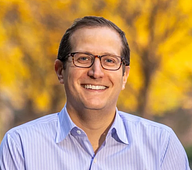
Ryder Kessler
Our Choice

Ryder
Kessler

Kessler's record building the abundance movement and his developed platform on housing supply, homelessness, climate resilience, and government delivery make him the best choice in this race

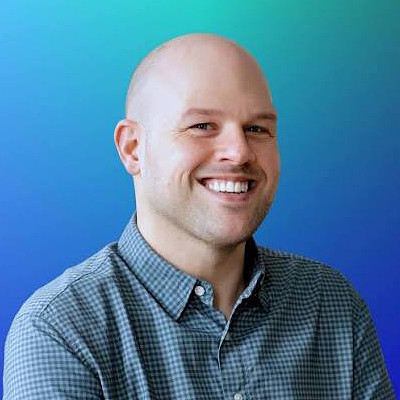
Editor’s note: One of the candidates in this race, Ryder Kessler, is the co-founder and former Co-Executive Director of Abundance New York. He stepped down from his role prior to announcing his run, and he has not been involved in the process of evaluating candidates (in this race or any other). He was offered the same opportunities as other candidates to submit a questionnaire and participate in an interview. As with all candidates, we are assessing him on the strength of his responses, his campaign’s viability, and his prior leadership experience.

Assembly District 66 stretches from TriBeCa to the Meatpacking District and from the Hudson River to 1st Ave. The district is affluent and two-thirds of residents rent. The incumbent, Deborah Glick, is one of the most NIMBY legislators in Albany, opposing recent neighborhood rezonings, the FAR cap repeal, and City of Yes for Housing Opportunity. But, her constituents’ views on the housing crisis have shifted rapidly. Last November, a majority of district voters voted “yes” on the housing-related charter amendments. In the June mayoral primary, 60% ranked Mamdani or Lander first on their ballots, who each called for more housing to be built. In the northern third of the district, voters have supported pro-housing candidates, Erik Bottcher and Carl Wilson. Six candidates are running to replace Glick; we wholeheartedly endorse Ryder Kessler.

Kessler ran against Glick in 2022 on a platform of housing supply, pedestrian street reallocation, and clean energy deployment—and netted 30% of the vote against a 30-year incumbent, before "abundance" was part of the political vocabulary. Since then, he co-founded Abundance New York, helped build the intellectual and organizing infrastructure behind the movement, and released a more developed 2026 platform: upzoning paired with service delivery reforms, policies to lower the cost of building, and an energy strategy that combines fossil fuel regulation with building more clean energy. Kessler has outraised his opponents and netted a varied set of endorsements, including the WFP, several unions, Open New York, Stonewall Democratic Club, and Comptroller Mark Levine.

Two other candidates are serious contenders: Jeannine Kiely, the former co-chair of Community Board 2, AD66 District Leader, and David Siffert, a law professor and executive committee member of Village Independent Democrats. 

Kiely, Glick’s preferred successor, has a mixed record on abundance issues. While her platform includes transit-oriented development, statewide multifamily permitting, more ADUs and basement apartments, she has a record of anti-development positions on contested local fights. As co-founder of Friends of the Elizabeth Street Garden, she repeatedly sued to block a 100% affordable housing development for low-income seniors; as chair of Community Board 2, she oversaw the Board’s 36-1 rejection of the SoHo/NoHo rezoning. On public transit and public space, she is similarly mixed, advocating for pedestrian safety measures while simultaneously rallying against outdoor dining.

Siffert, a civil rights lawyer and law professor, brings a wealth of policy experience to the race, but has moved in the wrong direction on the question of housing supply. Asked by the Downtown Independent Democrats what position Siffert has changed in the last five years, they answered that they have grown more skeptical of housing development. Siffert would carve historic districts out of statewide zoning reform and frames upzoning as something that should happen elsewhere, in “working class areas.”

Candidate Questionnaires
District map

New York's 68th Assembly District

East Harlem, Central Harlem, Upper East Side

Diana Ayala
Our Choice

Diana
Ayala

Ayala's leadership experience and abundance leanings position her strongly against a lackluster incumbent

Assembly District 68 covers the northeast shoulder of Manhattan centered around East Harlem. 

The incumbent, Eddie Gibbs, has been in office since winning a special election in January 2022. Over the past four years, he has focused entirely on criminal justice legislation; he has not sponsored or cosponsored any bills on housing, energy, or good government, and the few transit bills he’s signed onto are cosmetic in nature (e.g., renaming subway stations). Beyond his lack of attention to issues facing the district, Gibbs has engaged in both unprofessional and offensive behavior, from being arrested for disorderly conduct to making anti-Semitic statements. These myriad issues have drawn him challengers in both 2024 and 2026.

Three of this year’s candidates—Tamika Mapp, Tameeka Garcia-Taylor, and William Smith—engaged with our questionnaire and interview process. While all expressed an interest in the abundance agenda, none made a clear case that they would push for the supply-side reforms the district needs.

A fourth challenger, Diana Ayala, is the strongest. Ayala did not go through our questionnaire and interview process, but her record in the City Council—where she represented East Harlem and the South Bronx for eight years, the last four as Deputy Speaker—makes her the most viable abundance-aligned candidate in this race by a significant margin.

On the question of housing supply, Ayala's record is strong. She voted yes on City of Yes for Housing Opportunity in December 2024 and made powerful floor remarks drawing from her experience living in shelters and in NYCHA.

On transit and public space, Ayala’s record is mixed. She has been one of East Harlem's outspoken voices for the Second Avenue Subway Phase 2 extension to 125th Street, and she partnered with DOT to bring Summer Streets to East Harlem for the first time in 2022. On the other hand, she was one of the few progressive voices in support of Governor Hochul’s June 2024 congestion pricing pause. We disagree with this call, and we'd want to push her toward clearer pro-transit positions in Albany, where decisions about MTA funding, bus priority, and street space directly affect what gets built.

Ayala is the pro-abundance choice in Assembly District 68, and her professional and personal experiences will be important assets in an emerging abundance cohort in the legislature. 

District map

New York's 69th Assembly District

Manhattan Valley, Morningside Heights, Upper West Side, West Harlem

Eli Northrup and Stephanie Ruskay
Our Choice

Eli
Northrup
and
Stephanie
Ruskay

Both of these candidates embrace abundance ideas for this community and we are excited at each of their approaches

Assembly District 69 covers the north half of the Upper West Side, Manhattan Valley, and Morningside Heights. The blocks closest to the parks are among the wealthiest in the city, but the district also holds NYCHA residents, long-term rent-stabilized tenants, and Columbia University students and faculty. 

In 2024, the district elected Micah Lasher, a champion of abundance policies, who is now running for Congress. It is notable that both races in this community are toss-ups for us; we are thrilled that abundance policies are gaining steam in the Upper West Side. 

The two candidates running to replace him are Eli Northrup, a public defender and legal director at the Bronx Defenders who ran here in 2024, and Stephanie Ruskay, a rabbi and community organizer making her first run for office. Both support a vision of a New York that builds and delivers more—more housing, more transit capacity, more energy infrastructure, and more (and better) services for New York’s most vulnerable. While we cannot recommend one over the other at this time, we may revisit as the race continues. 

Northrup, who has been endorsed by the WFP and a slew of left-leaning electeds and organizations, leads with a platform focused on increasing subsidies and services for New Yorkers, funded by taxing the rich. On transit, he plans to push for better reliability to reduce car dependence. On the housing front, Northrup has adopted a Mamdani-esque combination of tenant protection and pro-supply policies, emphasizing SEQRA reform, cutting red tape, and transit-oriented development. This latter set of policies has earned him an endorsement from Open New York, in addition to housing groups more focused on demand-side reforms. 

Our one hesitation about Northrup is the risk that his instinct to pair every pro-housing policy with affordability requirements could, in practice, make projects harder to build. He is aware of this tension, and said that he doesn't want to let perfect be the enemy of the good. 

Ruskay's experience as a rabbi and community organizer came through while discussing housing affordability, where she transitioned fluidly between personal experiences growing up in Mitchell-Lama housing and the citywide crisis we face today. Her instincts were consistently in the right direction: she described her view as "more is more," named city-owned sites and NYCHA parking lots as places where new housing should go, and supports reforming SEQRA, the state environmental review law that opponents use to litigate housing and infrastructure projects into delay or defeat. Comptroller Mark Levine and former City Planning Director Dan Garodnick, both serious housing champions, have seen enough to endorse her.

We acknowledge she falls short relative to Northrup in depth and specificity, but we are excited about how she talks about these issues and believe that she will find an audience.
Candidate Questionnaires
District map

City Council

This guide has focused on the role of both federal and state offices in shaping New York’s ability to build and deliver for residents. But the City Council matters too—and individual Council members represent more New Yorkers than individual Assembly members, making these races higher-stakes than they often feel.

Through the uniform land use review process (ULURP), individual Council Members negotiate and vote on local developments (though they no longer wield unilateral power over housing decisions after the passage of last year’s charter amendments). As a body, the Council has voted on significant abundance legislation in recent years, from the City of Yes for Housing Opportunity to the expansion of trash containerization. We are eager for the Council to build on recent victories and push more aggressively for new housing, streamlined permitting, and capital construction reform.

This year, one council seat is up for election. When Brad Hoylman-Sigal was elected Manhattan Borough President in 2025, Erik Bottcher won the special election for his state senate seat — opening the council seat now on the ballot.

District map

City Council District 3

Hell's Kitchen, Chelsea, West Village, Hudson Yards, Greenwich Village, Times Square

Carl Wilson
Our Choice

Carl
Wilson

We supported Wilson in the April special election; he remains our choice

Council District 3 covers a dense, transit-rich stretch of Manhattan's west side, at the center of the borough's housing and infrastructure challenges. Carl Wilson won the April 28 special election and now holds the seat through the end of 2026. But the June 23 Democratic primary will determine who takes office on January 1, 2027 for the remaining three years of Bottcher's term. 

Wilson must run again, and we continue to support him. He spent a decade on the West Side, co-founding the Hell’s Kitchen Democrats before serving as Chief of Staff to Council Member Erik Bottcher. In that role, he worked directly on the Midtown South rezoning—a process that required navigating competing interests across community boards, business improvement districts, and the garment industry to unlock significant new housing in a part of Manhattan constrained by outdated zoning. His legislative priorities include legalizing shared housing options and making it easier to build while pairing density with transit and public space investments. He has taken a sensible and responsible approach on the NYCHA Fulton & Chelsea-Elliott project.

The field has narrowed since April. Lindsey Boylan and Leslie Boghosian Murphy are both not running in the Democratic primary, leaving Wilson as the clear abundance-aligned choice in the race.

Layla Law-Gisiko is running again, and our assessment of her record has not changed. She rejected expanding housing supply, opposed parking reform, and has centered her campaign on blocking the NYCHA Fulton & Elliott-Chelsea redevelopment without offering a credible funding alternative. 

Candidate Questionnaires